Dental Electives in Kenya

How Dental Electives in Kenya Shape Future Global Dentists

Dental education is no longer confined to lecture halls and simulation labs. Today, many students are seeking international exposure to build confidence, clinical competence, and a broader understanding of global oral health. One of the most impactful destinations for this experience is Kenya.

Dental electives in Kenya offer more than just clinical observation—they shape students into adaptable, culturally aware, and skilled future dentists ready to work in diverse healthcare systems around the world.

1. Exposure to Diverse and Advanced Clinical Cases

One of the most valuable aspects of dental electives in Kenya is the wide range of clinical cases students encounter.

Unlike in some training environments where cases may be limited or highly specialized, Kenyan dental hospitals and clinics often present:

Advanced untreated dental conditions

High rates of dental caries and periodontal disease

Oral health issues linked to systemic conditions

Pediatric and community-based cases

Emergency dental cases requiring quick decision-making

This exposure helps students strengthen diagnostic skills and develop confidence in handling real-world dental challenges.

2. Hands-On Learning in Real Clinical Settings

Many international students find that dental electives in Kenya provide a more practical, hands-on experience compared to their home institutions.

Under supervision, students may observe or assist in procedures such as:

Tooth extractions

Restorative treatments

Preventive dental care

Oral health assessments

Patient education and counseling

This direct involvement bridges the gap between theory and practice, helping students transition smoothly into professional practice after graduation.

3. Understanding Oral Health in a Global Context

A key strength of dental electives in Kenya is the opportunity to understand dentistry beyond a developed-world perspective.

Students gain insight into:

The impact of socioeconomic factors on oral health

Barriers to accessing dental care in rural and underserved areas

The role of public health in dentistry

Community-based preventive strategies

This global perspective is essential for any dentist aiming to work internationally or in multicultural environments.

4. Cultural Competence and Communication Skills

Dentistry is not only about clinical skills—it is also about communication and patient trust.

While undertaking dental electives in Kenya, students interact with patients from different cultural and linguistic backgrounds. This helps them develop:

Stronger communication skills

Cultural sensitivity and awareness

Patient-centered care approaches

Confidence in working with diverse populations

These soft skills are highly valued in modern dental practice worldwide.

5. Strengthening Professional Confidence

For many students, stepping into a new healthcare system can feel intimidating at first. However, this experience often becomes a turning point in their professional development.

By the end of their elective, students typically report:

Increased clinical confidence

Better decision-making skills

Improved adaptability in new environments

A stronger sense of professional identity

This confidence is crucial for those preparing for internships, licensing exams, or postgraduate training.

6. Building a Global Dental Perspective

Dental electives in Kenya attract students from across the world, creating a truly international learning environment. This diversity encourages knowledge exchange and collaboration.

Students learn:

Different clinical approaches from peers

Global best practices in dentistry

How healthcare systems vary across countries

The importance of adaptable treatment planning

This prepares them to work effectively in global or multicultural healthcare settings.

7. Inspiration for Community-Oriented Dentistry

Perhaps one of the most lasting impacts of dental electives in Kenya is the emphasis on community dentistry and prevention.

Students often participate in outreach programs where they:

Provide oral health education

Participate in community screenings

Learn preventive dentistry approaches

Understand public health interventions

This inspires many future dentists to incorporate community service into their careers.

Dental electives in Kenya go far beyond clinical observation. They shape students into confident, culturally aware, and globally competent dentists. Through hands-on learning, exposure to diverse cases, and community engagement, students gain experiences that cannot be replicated in a classroom.

For any dental student seeking to broaden their perspective and strengthen their clinical foundation, Kenya offers a transformative elective experience.

Community Dentistry in Kenya

What International Students Learn from Community Dentistry in Kenya

For many international dental students, learning becomes most meaningful when it moves beyond textbooks and into real communities. This is exactly what community dentistry in Kenya offers. It provides a practical learning environment where students engage directly with patients, observe public oral health systems, and participate in outreach programs across both urban and rural settings.

Kenya’s diverse healthcare landscape makes it a powerful destination for students who want to understand dentistry in real-world conditions.

What Community Dentistry in Kenya Involves

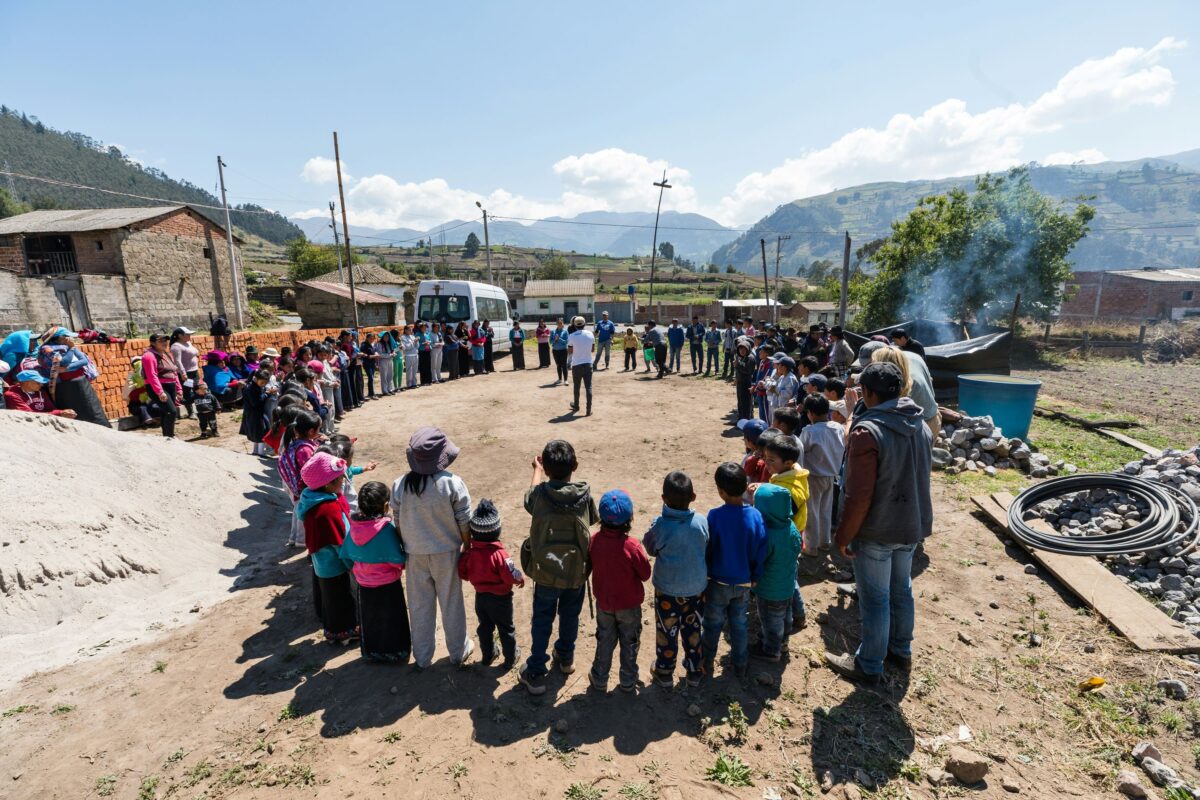
Community dentistry in Kenya focuses on improving oral health at the population level through prevention, education, and basic treatment services. Instead of working only in fully equipped clinics, students are exposed to hospitals, schools, and mobile dental camps.

In Kenya, public oral health services are often delivered through a combination of government facilities and outreach programs, giving students a broad view of how dentistry operates in different environments.

Real Clinical Experience in the Field

One of the strongest learning outcomes is hands-on clinical exposure. International students are not just observers—they actively participate under supervision.

Typical activities include:

  • Oral health screening in communities
  • Simple tooth extractions
  • Preventive treatments like fluoride application
  • Assisting in dental outreach camps

This experience helps students build clinical confidence and develop practical skills that are sometimes limited in traditional classroom settings.

Strong Emphasis on Prevention

A core lesson from community dentistry in Kenya is that prevention is more powerful than treatment. Many dental conditions seen in community settings are preventable with proper education and early intervention.

Students engage in:

  • Oral hygiene education in schools
  • Community awareness talks
  • Diet and nutrition counseling for oral health
  • Early detection and referral programs

This focus helps students understand how public health dentistry reduces long-term treatment needs.

Exposure to Different Communities and Cultures

Kenya offers a rich cultural and social environment that enhances learning. International students interact with patients from varied backgrounds, including rural communities with limited access to dental care.

This helps them develop:

  • Cultural awareness in patient care
  • Better communication skills
  • Respect for different health beliefs
  • Adaptability in treatment approaches

Such exposure prepares students for global dental practice.

Learning Dentistry with Limited Resources

Another important aspect of community dentistry in Kenya is learning how to provide care in resource-limited settings. Not all outreach sites have advanced equipment, so students learn to rely on core clinical skills.

They develop:

  • Strong diagnostic abilities
  • Resourceful treatment planning
  • Confidence in basic procedures
  • Efficiency under pressure

This type of training is especially valuable for future work in underserved regions worldwide.

Understanding Public Health Dentistry Systems

Students also gain insight into how dental services are organized within public healthcare systems. They observe how patients are managed from the community level to referral hospitals.

Key lessons include:

  • Structure of public dental care delivery
  • Role of community health programs
  • Collaboration between health workers
  • Challenges in rural and urban healthcare access

This gives students a deeper understanding of oral health policy and system-level care.

Personal Growth and Professional Development

Beyond technical skills, community dentistry in Kenya helps students grow personally. Working in real community environments builds character and strengthens professional values.

Students often leave with:

  • Greater confidence in clinical decision-making
  • Stronger teamwork and leadership skills
  • Increased empathy toward patients
  • A global perspective on healthcare inequality

Community dentistry in Kenya offers international students a unique combination of clinical training, public health exposure, and cultural learning. It bridges the gap between theory and practice while shaping students into more adaptable and socially aware dental professionals.

By engaging with real communities in Kenya, students gain experiences that go far beyond conventional dental education.

If you are an international dental student seeking meaningful clinical exposure and public health experience, community dentistry in Kenya is an excellent opportunity. Take part in outreach programs that build your skills, broaden your perspective, and prepare you for global dental practice.

Oral Health Challenges in Rural Africa

From Classroom to Community: Oral Health Challenges in Rural Africa

Learning dentistry in a classroom provides essential scientific knowledge, but real understanding often begins when students step into communities. This is especially true when exploring oral health challenges in rural Africa, where access to care, education levels, and healthcare infrastructure vary widely.

For many dental students, community exposure reveals a very different side of dentistry—one shaped by limited resources, preventable diseases, and strong public health needs.

Moving from Theory to Real-World Dentistry

In academic settings, students learn about diagnosis, treatment planning, and oral disease management in controlled environments. However, oral health challenges in rural Africa introduce complexities that textbooks cannot fully capture.

In rural settings, students encounter patients who may:

  1. Seek treatment only when pain becomes severe
  2. Have limited access to preventive care
  3. Rely on traditional remedies before visiting clinics
  4. Travel long distances to reach dental services

This shift from theory to reality helps students understand dentistry as a public health service, not just clinical practice.

Major Oral Health Challenges in Rural Africa

Understanding oral health challenges in rural Africa requires looking at both systemic and community-level issues.

1. Limited Access to Dental Care

Many rural communities have few or no dental clinics. Patients often depend on visiting outreach programs or traveling to urban centers for treatment.

2. High Burden of Preventable Diseases

Tooth decay, gum disease, and untreated infections are common due to limited preventive care and poor oral hygiene practices.

3. Lack of Oral Health Education

Many communities have minimal awareness about brushing techniques, fluoride use, or the importance of routine dental check-ups.

4. Financial Barriers

Even when services are available, cost remains a major barrier for many families in rural areas.

5. Shortage of Dental Professionals

Rural regions often experience a shortage of trained dental staff, leading to delayed diagnosis and treatment.

What Dental Students Learn in Rural Settings

Exposure to oral health challenges in rural Africa provides dental students with lessons that go far beyond clinical skills.

1. Importance of Preventive Dentistry

Students quickly realize that prevention is more effective than treatment in communities where access to care is limited.

They participate in:

  1. Oral hygiene education sessions
  2. School-based dental screenings
  3. Community awareness programs

2. Clinical Decision-Making in Resource-Limited Settings

Without advanced equipment, students learn to rely on observation, history-taking, and basic tools to make treatment decisions.

3. Communication and Cultural Sensitivity

Working with diverse communities helps students understand cultural beliefs around oral health and improves patient communication skills.

4. Adaptability and Problem-Solving

Students learn to adjust treatment approaches based on available resources and patient circumstances.

The Role of Outreach Programs

Outreach programs are a key part of addressing oral health challenges in rural Africa. These programs bring dental services directly to communities through mobile clinics, school visits, and health camps.

During these programs, students may assist with:

  1. Basic dental examinations
  2. Tooth extractions under supervision
  3. Preventive fluoride treatments
  4. Oral health education campaigns

This hands-on involvement helps bridge the gap between academic learning and community healthcare delivery.

Understanding Public Health Dentistry

One of the most valuable lessons from oral health challenges in rural Africa is understanding dentistry as part of a broader public health system.

Students observe how:

  1. Government and NGOs support rural health services
  2. Community health workers play a role in referrals and education
  3. Preventive programs reduce long-term treatment needs
  4. Health systems manage limited resources across large populations

This perspective is essential for students interested in public health or global dentistry.

Personal and Professional Growth

Experiencing oral health challenges in rural Africa also shapes students personally. It builds resilience, empathy, and a deeper appreciation for equitable healthcare.

Students often develop:

  1. Stronger ethical awareness
  2. Confidence in clinical practice
  3. Leadership skills in outreach settings
  4. A global understanding of health inequality

The transition from classroom learning to real-world exposure highlights the realities of oral health challenges in rural Africa. While the challenges are significant, they offer valuable learning opportunities for dental students.

By engaging with rural communities, students not only improve their clinical skills but also develop a deeper understanding of public health dentistry and the importance of preventive care.

If you are a dental student looking to expand your clinical and public health experience, exposure to oral health challenges in rural Africa offers unmatched learning opportunities. Step beyond the classroom and gain real-world insight into dentistry where it is needed most.

Is Dental Volunteering Ethical

Is Dental Volunteering Ethical? What Students Need to Know

Is Dental Volunteering Ethical? What Students Need to Know

Dental volunteering abroad has become increasingly popular among students looking to gain clinical experience while exploring different healthcare systems and cultures. Across Africa, especially in Kenya, many dental students join outreach and elective programs to support underserved communities.

But an important question continues to come up. Is dental volunteering ethical?

The answer depends on how the program is structured, how communities are treated, and whether the experience genuinely benefits both students and local patients.

In this guide, we explore the ethics of dental volunteering in Africa, what students should look for in a responsible program, and how ethical dental electives can positively support communities in Kenya.

Understanding Dental Volunteering

Dental volunteering usually involves students or professionals traveling abroad to participate in oral healthcare programs, outreach clinics, or educational initiatives.

Many students choose programs in Africa because they offer:

  1. Exposure to different healthcare environments
  2. Opportunities to observe or assist in clinical settings
  3. Community engagement experiences
  4. Cultural exchange and personal growth

According to the World Health Organization (WHO), oral health remains a major global health concern, especially in underserved communities where access to dental care is limited.

This is where ethical and well-managed dental outreach programs can play a meaningful role.

Why Some People Question Dental Volunteering

While many programs create a positive impact, others have faced criticism over the years.

Some common concerns include:

Lack of Proper Supervision

Students should never perform procedures beyond their level of training. Ethical programs ensure that all activities are supervised by qualified professionals and aligned with local healthcare regulations.

“Voluntourism” Concerns

Some programs focus more on tourism than on sustainable healthcare support. Communities should never be treated as “learning opportunities” without receiving long-term benefits.

Responsible programs prioritize:

  1. Patient dignity
  2. Community partnerships
  3. Sustainable support
  4. Local healthcare collaboration

Short-Term Impact

A one-week outreach without follow-up care may not create lasting improvement. Ethical programs work closely with local clinics, hospitals, and professionals to ensure continuity of care.

The FDI World Dental Federation emphasizes the importance of sustainable oral healthcare initiatives and responsible international partnerships.

So, Is Dental Volunteering Ethical?

Yes — when done responsibly and ethically. Ethical dental volunteering focuses on:

  1. Supporting communities respectfully
  2. Working alongside local professionals
  3. Providing supervised learning experiences
  4. Creating sustainable healthcare impact

Students should look for programs that prioritize education, safety, professionalism, and community collaboration rather than simply offering “hands-on experience.”

How Dental Electives Help Communities in Kenya

Kenya continues to face oral healthcare challenges in many rural and underserved areas. Community dental programs and outreach initiatives can help improve awareness and access to basic oral healthcare services.

Ethical dental electives often contribute in several important ways.

1. Supporting Oral Health Awareness

Many outreach programs include oral hygiene education in schools and communities.

Students may participate in:

  1. Dental hygiene demonstrations
  2. Preventive education
  3. Community awareness campaigns
  4. School outreach activities

These educational efforts can help reduce preventable dental conditions over time.

2. Assisting Local Healthcare Teams

Well-structured dental electives work together with local dentists, clinics, and hospitals instead of replacing them.

This creates:

  1. Knowledge exchange
  2. Better patient support
  3. Additional assistance during outreach activities
  4. Stronger healthcare collaboration

In Kenya, community partnerships are essential for creating sustainable healthcare programs.

3. Increasing Access to Dental Care

Some rural communities have limited access to dental facilities and oral healthcare education.

Community dental programs in Kenya can help:

  1. Reach underserved populations
  2. Support screening initiatives
  3. Promote preventive care
  4. Encourage early treatment

Even simple awareness and preventive care can make a meaningful difference.

4. Cultural Exchange and Global Learning

Dental electives are not only about healthcare. They also encourage students to understand:

  1. Different healthcare systems
  2. Cultural perspectives
  3. Public health challenges
  4. Global healthcare inequalities

This experience often helps students become more compassionate and culturally aware healthcare professionals.

How Students Can Choose an Ethical Dental Elective Program

Before applying for a dental volunteering or elective program in Africa, students should ask important questions.

Look for Programs That:

  1. Work with licensed local healthcare professionals
  2. Provide proper supervision
  3. Focus on sustainability
  4. Respect local communities
  5. Clearly explain student responsibilities
  6. Prioritize patient safety and ethics

Avoid programs that promise unrealistic “unsupervised clinical experience” or place students beyond their level of competence.

Why Kenya Is Becoming a Popular Destination for Dental Electives

Kenya offers students:

  1. Diverse healthcare exposure
  2. Opportunities for community engagement
  3. Affordable elective experiences
  4. Rich cultural experiences
  5. Supportive learning environments

Many students also appreciate the balance between clinical learning and cultural immersion during their placement experience.

You can also explore our internal guide on
Dental Electives in Kenya for International Students
Affordable Dental Electives Abroad for Students

Final Thoughts

Dental volunteering can absolutely be ethical when programs are built around responsibility, supervision, sustainability, and community partnership.

For students, ethical dental electives provide more than clinical exposure. They create opportunities to learn about global healthcare, cultural understanding, and the importance of patient-centered care.

At the same time, responsible community dental programs in Kenya can help promote oral health awareness and support underserved communities through meaningful collaboration.

If you are considering a dental elective abroad, choose a program that values both student learning and community impact equally.

Ready to Start Your Dental Elective in Kenya?

Our program connects international students with ethical, supervised, and community-focused dental elective experiences in Kenya.

Whether you are after clinical exposure, cultural immersion, or a meaningful global healthcare experience, we are here to help you every step of the way.

Contact us today to learn more about our dental elective placements in Kenya and East Africa.

Dental Electives for UK and European Students

Dental Electives for UK and European Students: Why Kenya Is Ideal

Dental electives abroad are becoming increasingly popular among students seeking international clinical exposure and exposure to different healthcare systems and cultures. Today, many students searching for Dental Electives for UK and European Students are choosing Kenya as their preferred destination.

From affordable placements to meaningful community experiences, Kenya offers dental students a unique opportunity to combine learning, travel, and cultural immersion.

In this guide, we explore why Kenya is becoming one of the best destinations for Dental Electives for UK and European Students and explain the requirements for joining an international dental elective program in East Africa.

Why UK and European Students Choose Dental Electives Abroad

Many dental students want more than traditional classroom learning. International electives help students:

  1. Experience global healthcare systems
  2. Observe different oral health conditions
  3. Build confidence in clinical environments
  4. Improve cultural awareness
  5. Strengthen future career opportunities

According to the General Dental Council (GDC), exposure to various healthcare settings plays an important role in the professional development of future dental practitioners.

This is one reason why Dental Electives for UK and European Students continue to grow in popularity.

Why Kenya Is Ideal for Dental Electives

1. Diverse Clinical Exposure

One of the biggest reasons students choose Kenya is the opportunity to experience a different healthcare environment. Dental students may observe a wider variety of oral health conditions while learning about preventive and community-focused dentistry.

Depending on the placement, students may:

  1. Observe consultations and procedures
  2. Participate in oral health education
  3. Join community outreach initiatives
  4. Learn from local dental professionals

For many students, this type of exposure helps build confidence and broadens their understanding of global oral healthcare.

2. Affordable Elective Opportunities

Compared to many destinations abroad, Kenya offers relatively affordable elective experiences for students.

Accommodation, local transport, and living expenses are often lower than in many European countries, making it easier for students to manage costs while still gaining valuable international experience.

Students searching online for:

  1. affordable dental electives abroad
  2. International Dental Electives
  3. low-cost dental electives for UK students

3. Community Outreach and Public Health Experience

Many Dental Electives for UK and European Students in Kenya include community outreach activities. These programs help students understand the importance of oral healthcare awareness in underserved communities.

Students may participate in:

  1. School dental education programs
  2. Rural outreach clinics
  3. Preventive oral health campaigns
  4. Community engagement initiatives

The WHO continues to highlight the importance of improving oral healthcare access globally, especially in underserved populations.

These experiences not only support communities but also help students develop stronger communication and interpersonal skills.

4. Cultural Immersion and Travel Experience

Kenya offers students more than clinical learning. It also provides rich cultural experiences and opportunities for adventure.

Students can enjoy:

  1. Beautiful coastal destinations
  2. Wildlife and safari experiences
  3. Cultural exchange opportunities
  4. Warm and welcoming communities

Many students appreciate the balance between professional development and cultural immersion during their elective placement.

This combination makes Kenya stand out among destinations offering Dental Electives for UK and European Students.

Can European Students Do Dental Electives in Kenya?

Yes. Many elective programs in Kenya welcome international students from the UK and across Europe.

However, students should understand the requirements before applying for a placement.

Requirements for Dental Electives in Kenya

1. Student Verification Documents

Most programs require proof that students are currently enrolled in a recognized dental school or university.

2. Passport and Travel Requirements

International students traveling to Kenya generally need:

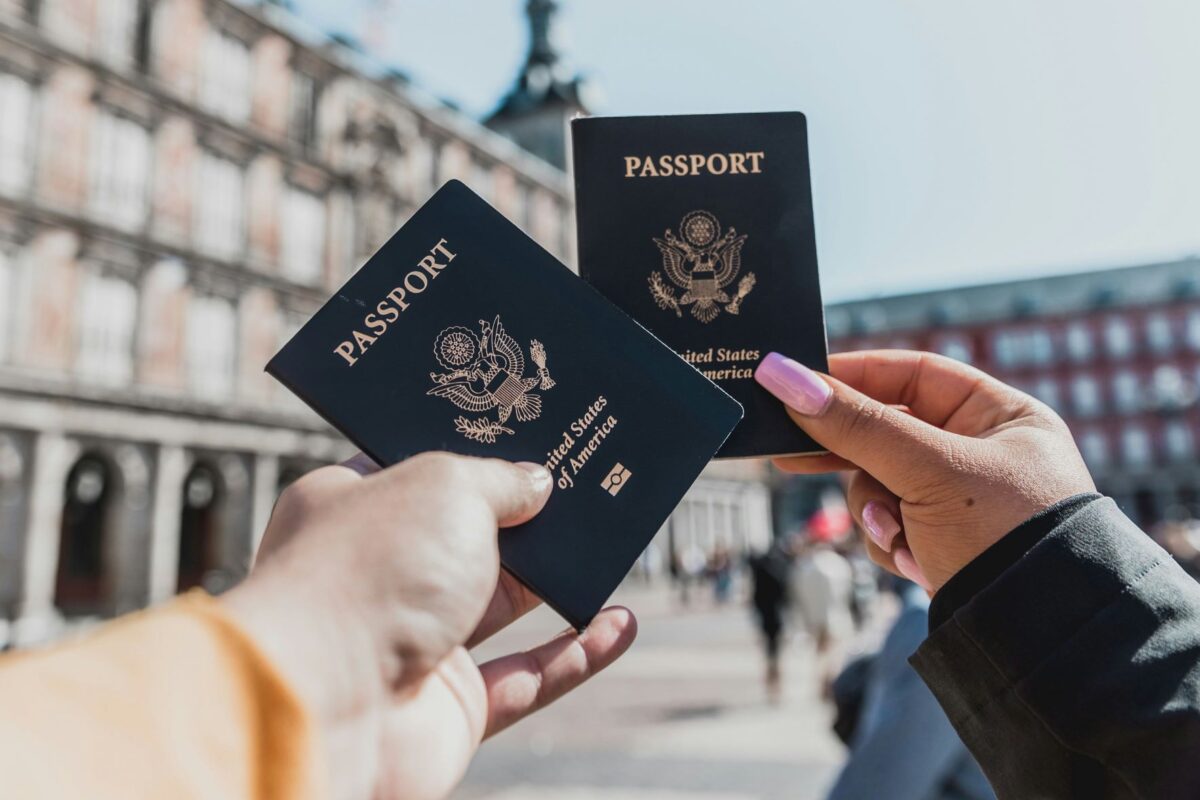
  1. A valid passport
  2. Travel authorization or visa documentation

Students can check the latest travel information through the Kenya e.visa portal

3. Travel and Medical Insurance

Most international dental electives require students to have travel and health insurance before arrival.

4. Vaccination and Health Guidelines

Students may also need recommended vaccinations depending on their country of travel.

The NHS Fit for Travel provides updated travel health guidance for UK students visiting Kenya.

Final Thoughts

Dental Electives for UK and European Students continue to grow in popularity as more students seek meaningful international healthcare experiences.

With affordable placements, diverse clinical exposure, community outreach opportunities, and cultural immersion, Kenya provides an excellent destination for dental students looking to expand their learning beyond the classroom.

For students interested in global oral healthcare and hands-on international experience, Kenya offers a rewarding and memorable elective opportunity.

Ready to Start Your Dental Elective in Kenya?

Our programme connects international students with safe, ethical, and community-focused dental elective placements across Kenya and East Africa.

Contact us today to learn more about our Dental Electives for UK and European Students

Dental Electives in Kenya

Dental Electives in Kenya. Complete Guide for International Students

Dental Electives in Kenya: Complete Guide for International Students

Dental electives abroad are becoming increasingly popular among students looking to gain international clinical experience while exploring different healthcare systems and cultures.

Among the growing destinations for healthcare electives, Dental Electives in Kenya are attracting international students from the UK, Europe, and other parts of the world.

Kenya offers students a unique opportunity to combine professional learning, community engagement, and cultural immersion in one experience. From observing dental procedures to participating in outreach programs, students can gain valuable insight into global oral healthcare.

This complete guide explains everything international students need to know about Dental Electives in Kenya, including benefits, requirements, costs, and what to expect during the placement.

Why Choose Dental Electives in Kenya?

Many students choose Dental Electives in Kenya because they provide exposure to healthcare environments that are different from those in Europe and other Western countries.

Students often gain experience in:

  1. Community oral healthcare
  2. Preventive dentistry
  3. Public healthcare systems
  4. Rural and urban healthcare settings
  5. Oral health education initiatives

According to the World Health Organization (WHO), improving oral healthcare access remains an important global health priority, especially in underserved communities.

For many international students, Kenya provides an opportunity to learn about these challenges while developing professional and cultural awareness.

What Students Can Expect During Dental Electives in Kenya

Every placement is different depending on the hospital, clinic, and elective program. However, students commonly participate in supervised learning experiences such as:

  1. Observing consultations and procedures
  2. Supporting oral health awareness activities
  3. Participating in community outreach programs
  4. Learning from local dental professionals
  5. Understanding public healthcare delivery systems

Most ethical programs ensure students work within their level of training under proper supervision.

Benefits of Dental Electives in Kenya

1. International Clinical Exposure

One of the biggest advantages of Dental Electives in Kenya is exposure to a wide range of oral health conditions and healthcare settings.

Students gain insight into:

  1. Different treatment approaches
  2. Preventive dental care
  3. Resource-limited healthcare environments
  4. Community-centered healthcare delivery

This international experience can help students build confidence and strengthen their future careers.

2. Affordable Elective Experience

Compared to many destinations abroad, Kenya offers relatively affordable elective placements.

Accommodation, transportation, and daily living expenses are generally more budget-friendly than in many Western countries. This makes Kenya attractive for students searching for:

  1. affordable dental electives abroad
  2. International Dental Electives
  3. budget dental placements

3. Community Outreach Opportunities

Many Dental Electives in Kenya include participation in community outreach activities and oral health education programs.

Students may assist with:

  • School dental awareness campaigns
  • Rural outreach clinics
  • Preventive oral health education
  • Community engagement initiatives

Organizations like the FDI continue to emphasize the importance of preventive oral healthcare and community education.

These experiences allow students to better understand the social and public health side of dentistry.

4. Cultural Immersion

Dental electives in Kenya also provide students with rich cultural experiences beyond the clinical setting.

Students can experience:

  1. Kenyan culture and traditions
  2. Coastal destinations and safaris
  3. Local communities and cuisine
  4. Cultural exchange opportunities

This balance between learning and cultural immersion is one reason many students choose Kenya for their elective placement.

Requirements for Dental Electives in Kenya

International students interested in Dental Electives in Kenya usually need the following:

University Enrollment Verification

Most programs require proof that students are currently enrolled in a recognized dental school or university.

Passport and Visa Requirements

Students traveling to Kenya generally need:

  1. A valid passport
  2. Travel authorization or visa documentation

Students can check updated travel requirements through the Kenya eVisa Portal.

Medical and Travel Insurance

Most elective providers require students to have travel and medical insurance before arrival.

Vaccination and Health Guidance

Students should also check recommended vaccinations and travel health requirements before traveling.

How to Choose the Right Dental Elective Program

When selecting a dental elective abroad, students should look for programs that offer:

  1. Professional supervision
  2. Ethical community engagement
  3. Safe accommodation
  4. Structured placements
  5. Student support services

Choosing a responsible program helps ensure a positive experience for both students and local communities.

Final Thoughts

Dental Electives in Kenya offer international students an excellent opportunity to gain clinical exposure, experience global healthcare systems, and participate in meaningful community engagement.

With affordable placements, diverse learning experiences, and rich cultural immersion, Kenya continues to grow as a leading destination for international dental electives.

For students looking to combine professional development with global experience, Kenya provides a rewarding and memorable elective opportunity.

Ready to Start Your Dental Elective in Kenya?

Our program connects international students with safe, ethical, and community-focused dental elective placements across Kenya and East Africa.

Contact us today to learn more about our Dental Electives in Kenya for international students.

Dental Electives in Kenya

Why Dental Electives in Kenya Are a Life-Changing Experience for Students

Why Dental Electives in Kenya Are a Life-Changing Experience for Students

For many dental students, an elective is often seen as a short academic requirement or an opportunity to observe clinical practice in a different setting. However, for those who choose Kenya, the experience often becomes something far more significant.

Dental electives in Kenya are not just about dentistry—they are about transformation. Students leave with improved clinical skills, greater confidence, and a broader understanding of global healthcare systems. Many describe it as a turning point in both their academic and personal development.

1. A New Level of Clinical Exposure

One of the most impactful aspects of dental electives in Kenya is the exposure to a wide range of clinical cases. Unlike highly controlled academic environments, Kenyan dental settings often present real-world challenges that require practical thinking.

Students may encounter:

Advanced untreated dental caries

Severe periodontal disease

Oral infections requiring urgent care

Pediatric dental cases

High patient turnover in clinics

This level of exposure helps students understand dentistry beyond textbooks. It sharpens diagnostic ability and improves clinical awareness in a short period of time.

2. Learning Beyond Observation

Unlike passive learning environments, dental electives in Kenya encourage active engagement under supervision. Students are not just watching—they are learning through interaction.

Depending on their level of training, students may:

Observe and assist in procedures

Participate in patient assessments

Support dental treatments under supervision

Engage in patient education

This practical involvement helps bridge the gap between academic knowledge and real clinical practice, making learning more meaningful and memorable.

3. Growth Through Community Dentistry

A defining feature of dental electives in Kenya is the strong focus on community and preventive dentistry.

Students often participate in outreach programs where they:

Provide oral health education in schools and communities

Participate in dental screening campaigns

Learn preventive care strategies

Understand barriers to oral healthcare access

This experience shifts the student’s perspective from treatment-focused dentistry to a broader understanding of public health and prevention. For many, this is a completely new and eye-opening approach to oral healthcare.

4. Cultural Immersion and Personal Development

Beyond clinical learning, living and training in Kenya offers deep cultural immersion. Students experience a healthcare system and lifestyle that may be very different from their own.

This leads to personal growth in areas such as:

Independence and adaptability

Cultural awareness and sensitivity

Communication with diverse patient groups

Confidence in unfamiliar environments

These experiences often challenge students in positive ways, helping them become more resilient and open-minded professionals.

5. Building Lifelong Confidence

Many students report that their elective in Kenya significantly boosts their confidence. This comes from:

Seeing and managing real clinical cases

Working in busy and dynamic environments

Receiving guidance from experienced clinicians

Adapting quickly to new challenges

By the end of the elective, students often feel more prepared for clinical practice, internships, and future professional roles.

This confidence is not temporary—it stays with them as they progress in their dental careers.

6. A Global Perspective on Dentistry

Dental electives in Kenya bring together students from different countries, creating an international learning environment. This diversity enhances learning by allowing students to:

Compare different dental practices

Exchange knowledge and techniques

Understand global healthcare systems

Build international professional networks

This global exposure is essential in today’s interconnected healthcare world, where dentists increasingly work with diverse populations.

Dental electives in Kenya are truly life-changing because they combine clinical learning, cultural immersion, and personal growth in a single experience.

Students not only improve their dental skills but also develop confidence, adaptability, and a global outlook that shapes their future careers.

For many, it is more than just an elective—it is a defining moment in their journey to becoming a dentist.

If you are looking for an experience that will transform your clinical skills and broaden your perspective, a dental elective in Kenya is the perfect opportunity. Join our program today and take the first step toward a truly life-changing dental journey.

Dentistry internship

Everything You Need to Know Before Starting Your Dental Internship

Starting your dental internship is one of the most exciting milestones in your journey to becoming a dental professional. It marks the transition from classroom-based learning to real-world practice, where you get to apply your knowledge, develop hands-on skills, and gain exposure to clinical settings.

But before you walk into the clinic for the first time, there are important things you should know and prepare for. This guide will walk you through everything you need to get ready and make the most out of your internship experience.

Understand the Internship Objectives

Every dental internship program has specific learning objectives designed to help you grow as a clinician. These may include gaining experience in patient examination, performing basic procedures under supervision, and learning proper infection control and record-keeping practices.

Take time to read through the program outline before you begin. Knowing what is expected of you will help you set personal goals, track your progress, and focus on building the skills that matter most for your future career.

Get Your Documentation in Order

Before starting your internship, make sure you have all the required documentation ready. Most programs require:

  • Letter of Elective/Recommendation: A formal letter from your university confirming your eligibility.

  • Proof of Enrollment or Academic Transcripts: To verify your student status or level of study.

  • Health and Immunization Records: Many clinics require up-to-date vaccinations, such as Hepatitis B, and proof of TB screening to ensure patient safety.

  • Identification Documents: Copies of your student ID, passport (if abroad), and emergency contact information.

Submitting these documents early avoids delays and ensures a smooth onboarding process.

Familiarize Yourself with Infection Control Protocols

Infection prevention is one of the most critical aspects of dentistry. Before your internship begins, review proper hand hygiene, instrument sterilization techniques, and the use of personal protective equipment (PPE).

Most programs will provide an orientation on safety protocols, but having a good understanding beforehand will help you feel confident and professional from day one.

Prepare Mentally for Patient Interaction

During your internship, you’ll move from practicing on models and simulators to interacting with real patients. This can be intimidating at first.

Prepare yourself by brushing up on your communication skills. Learn how to greet patients warmly, explain procedures clearly, and handle anxious patients with empathy. Patient interaction is a huge part of dentistry, and internships are the perfect time to build your confidence in this area.

Know What Procedures You’ll Be Allowed to Perform

Internship programs vary depending on your level of training. In most cases, you’ll start with observation and gradually move on to assisting and performing basic procedures such as scaling, polishing, simple restorations, and extractions of erupted teeth under supervision.

Ask your supervisor what procedures you’re expected to learn and what level of independence you’ll have. This clarity helps you take full advantage of your training period.

Be Ready to Learn Beyond the Clinic

Your internship isn’t limited to chairside practice. Many programs include:

  • Community Outreach Activities: School dental visits, oral health education, and awareness campaigns.

  • Team Meetings and Case Discussions: Where you’ll learn treatment planning and patient management.

  • Workshops and Seminars: Covering topics like preventive dentistry, infection control, and new dental technologies.

Participating actively in these activities expands your knowledge and gives you a broader understanding of the dental profession.

Take Care of Yourself

Internships can be demanding — physically and mentally. You’ll spend long hours on your feet, interact with many patients, and juggle responsibilities.

Make sure you get enough rest, stay hydrated, and wear comfortable, well-fitting shoes. Maintaining your own health allows you to perform at your best and prevents burnout.

Keep a Logbook or Journal

Documenting your daily experiences is one of the most effective ways to track your learning. Note down the procedures you performed, the new techniques you learned, and the challenges you faced.

This record will be helpful for academic reporting, future job applications, and personal reflection on how far you’ve come.

Your dental internship is a stepping stone toward becoming a skilled and confident dentist. By preparing your documents, understanding safety protocols, improving communication skills, and actively participating in clinical and community activities, you’ll set yourself up for a successful experience.

Remember, this is your opportunity to learn, ask questions, and make mistakes in a supportive environment. Approach every day with curiosity and professionalism, and your internship will be one of the most rewarding stages of your dental education.

dentistry adventures

Combining Dentistry with Adventure: Why Electives Abroad Are Worth It

Dental electives abroad are not just an academic requirement — they are an opportunity to step out of your comfort zone, explore new cultures, and gain experiences that will stay with you for a lifetime. For dental students, interns, and postgraduates, an elective program abroad provides a perfect balance between professional growth and personal adventure.

If you’ve been considering taking your elective outside your home country, here’s why it is an experience worth saying yes to.

1. Clinical Exposure in a Global Setting

One of the most valuable aspects of an elective abroad is the chance to work in a completely different healthcare system. You’ll gain clinical exposure in hospitals, community clinics, and outreach camps, often in areas where resources are limited.

This hands-on experience teaches you to be resourceful and to adapt to different treatment approaches. You’ll encounter cases you may not frequently see at home — from advanced untreated caries to severe periodontal disease — and learn how to manage them under the guidance of experienced local dentists.

This international exposure strengthens your clinical skills and prepares you to work confidently with diverse patient populations.

2. Cultural Exchange and Personal Growth

Traveling for an elective means immersing yourself in a new culture. You’ll meet people with different customs, languages, and ways of life. This cultural exchange broadens your worldview and improves your ability to work with patients from various backgrounds.

It also teaches you adaptability and resilience — qualities every dental professional needs. From navigating public transportation to trying new foods, every experience helps you grow personally and become more independent.

3. Opportunities to Make a Real Impact

Electives abroad often focus on underserved communities where access to dental care is limited. You may participate in school dental visits, oral health awareness campaigns, or free treatment clinics.

Your contribution can have a significant impact, whether it’s teaching a child how to brush properly, providing a fluoride treatment, or relieving someone’s pain through a simple extraction. These moments are deeply rewarding and remind you why you chose dentistry in the first place — to improve lives.

4. Networking with Global Professionals

An elective abroad allows you to connect with other dental students, mentors, and professionals from around the world. These connections can lead to long-term collaborations, exchange of knowledge, and even future career opportunities.

Networking with international professionals also helps you understand global oral health trends and challenges, giving you a wider perspective on dentistry as a profession.

Combining Learning with Adventure

The best part about taking your elective abroad? You get to mix work with adventure! Outside your clinical hours, you can explore breathtaking destinations, visit local attractions, and experience the unique beauty of your host country.

Imagine spending your weekends on a safari, exploring historical towns, hiking in national parks, or simply enjoying the local culture and cuisine. These experiences turn your elective into a once-in-a-lifetime adventure — one that blends education, travel, and fun.

Boosting Your CV and Career Prospects

Employers and postgraduate programs value candidates with international experience. Completing an elective abroad shows that you are adaptable, open to learning, and capable of working in diverse environments.

It demonstrates initiative and commitment to your professional development — qualities that make you stand out from other applicants.

Combining dentistry with adventure through an elective abroad is one of the most rewarding decisions you can make as a dental student. You’ll gain valuable clinical experience, make a positive impact in communities, grow personally, and create memories that last a lifetime.

Whether it’s the thrill of discovering a new country, the joy of helping a patient smile again, or the friendships you form along the way, your elective abroad will shape you into a more skilled, compassionate, and well-rounded dental professional.

So pack your bags, grab your dental kit, and get ready for an experience that blends learning with exploration — because your next adventure might just be the highlight of your dental journey.

community outreach

Why Community Outreach Is Vital for Dental Students

Community outreach is more than just a volunteer activity — it is an essential part of dental education and training. For dental students, participating in outreach programs provides an opportunity to apply classroom knowledge, gain real-world experience, and serve those who might not otherwise have access to proper oral care. It is a transformative experience that helps students grow professionally, personally, and socially.

In this article, we’ll explore why community outreach is such a critical component of dental education and how it benefits students, patients, and the dental profession as a whole.

1. Hands-On Experience in Real-Life Settings

Dental school provides plenty of theory and simulation-based practice, but nothing compares to the real-life experience of interacting with patients. Community outreach programs allow students to work directly with patients, often in underserved areas where dental care is limited.

These experiences provide students with the opportunity to perform essential procedures, such as dental check-ups, scaling, restorations, and even simple extractions, under the supervision of experienced dentists. The hands-on nature of these programs helps students develop confidence in their clinical skills, improve dexterity, and enhance their ability to make quick, informed decisions while treating patients.

2. Improved Communication and Public Engagement Skills

One of the biggest challenges for new dental students is learning how to communicate effectively with patients of all ages and backgrounds. Community outreach provides the perfect training ground for this.

In schools, rural health centers, and community camps, students must explain oral hygiene techniques in simple, easy-to-understand language. They also engage in public speaking when teaching groups about proper brushing, the importance of fluoride, and the dangers of sugary diets.

These opportunities strengthen communication skills, boost confidence, and prepare students to handle diverse patient populations in their future careers.

3. Promoting Preventive Dentistry

Prevention is better than cure, and community outreach is the frontline for spreading this message. Dental students play a crucial role in educating communities about how to prevent cavities, gum disease, and other oral health problems.

By conducting awareness campaigns, school dental health talks, and one-on-one counseling sessions, students help reduce the prevalence of dental issues. This not only benefits the community but also reinforces students’ own understanding of preventive dentistry and its importance in long-term oral health care.

4. Exposure to Diverse Oral Health Challenges

Every community has unique oral health needs. Some areas may struggle with early childhood caries, while others face challenges related to poor access to clean water or fluoride. Through outreach, students encounter a wide range of cases and conditions that may not be commonly seen in urban dental schools.

This exposure allows students to broaden their diagnostic and treatment planning skills. They learn to adapt to limited resources and find creative, practical solutions — an important skill for any future dentist.

5. Building Empathy and Professional Responsibility

Serving underserved populations teaches students compassion and empathy. They begin to see dentistry not just as a profession but as a service that can transform lives.

When students treat children with untreated cavities or help a patient who has been in pain for months, they gain a deeper understanding of the social impact of oral health care. This experience instills a sense of responsibility to give back to society and motivates many students to continue volunteer work even after graduation.

6. Career and Personal Growth Opportunities

Community outreach experiences often inspire dental students to specialize in fields such as public health dentistry, pediatric dentistry, or oral health advocacy. The skills gained — from leadership to teamwork — are highly valuable for career advancement.

Many internship and residency programs also look favorably on applicants who have participated in outreach activities, as it shows initiative, social responsibility, and practical exposure beyond the classroom.

Community outreach is not just an optional activity; it is a vital component of dental education. It gives students the chance to gain hands-on experience, build communication skills, promote preventive dentistry, and serve the community in meaningful ways.

For dental students, these programs are a reminder that dentistry is not only about treating teeth but also about improving overall health and quality of life. By participating in outreach, students grow into compassionate, skilled, and socially responsible professionals ready to make a difference in the world.