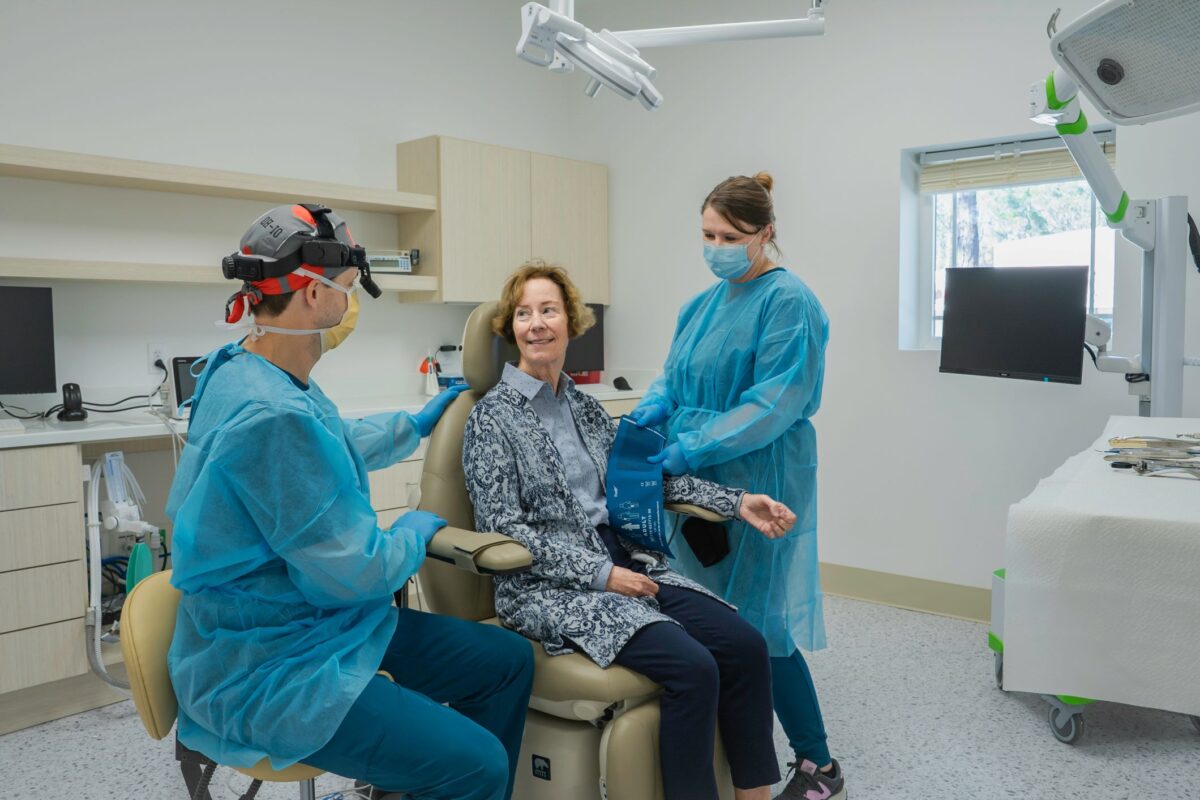
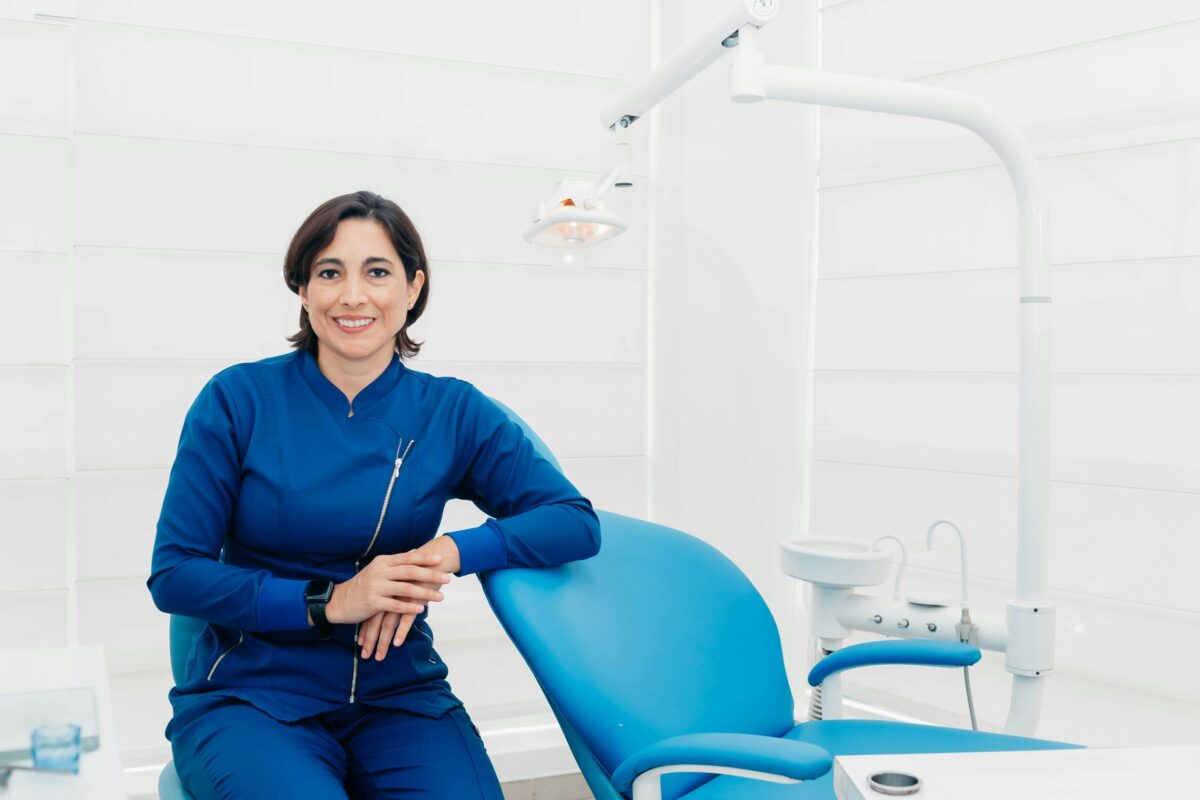
Starting your dental internship is one of the most exciting milestones in your journey to becoming a dental professional. It marks the transition from classroom-based learning to real-world practice, where you get to apply your knowledge, develop hands-on skills, and gain exposure to clinical settings.
But before you walk into the clinic for the first time, there are important things you should know and prepare for. This guide will walk you through everything you need to get ready and make the most out of your internship experience.
Understand the Internship Objectives
Every dental internship program has specific learning objectives designed to help you grow as a clinician. These may include gaining experience in patient examination, performing basic procedures under supervision, and learning proper infection control and record-keeping practices.
Take time to read through the program outline before you begin. Knowing what is expected of you will help you set personal goals, track your progress, and focus on building the skills that matter most for your future career.
Get Your Documentation in Order
Before starting your internship, make sure you have all the required documentation ready. Most programs require:
-
Letter of Elective/Recommendation: A formal letter from your university confirming your eligibility.
-
Proof of Enrollment or Academic Transcripts: To verify your student status or level of study.
-
Health and Immunization Records: Many clinics require up-to-date vaccinations, such as Hepatitis B, and proof of TB screening to ensure patient safety.
-
Identification Documents: Copies of your student ID, passport (if abroad), and emergency contact information.
Submitting these documents early avoids delays and ensures a smooth onboarding process.
Familiarize Yourself with Infection Control Protocols
Infection prevention is one of the most critical aspects of dentistry. Before your internship begins, review proper hand hygiene, instrument sterilization techniques, and the use of personal protective equipment (PPE).
Most programs will provide an orientation on safety protocols, but having a good understanding beforehand will help you feel confident and professional from day one.
Prepare Mentally for Patient Interaction
During your internship, you’ll move from practicing on models and simulators to interacting with real patients. This can be intimidating at first.
Prepare yourself by brushing up on your communication skills. Learn how to greet patients warmly, explain procedures clearly, and handle anxious patients with empathy. Patient interaction is a huge part of dentistry, and internships are the perfect time to build your confidence in this area.
Know What Procedures You’ll Be Allowed to Perform
Internship programs vary depending on your level of training. In most cases, you’ll start with observation and gradually move on to assisting and performing basic procedures such as scaling, polishing, simple restorations, and extractions of erupted teeth under supervision.
Ask your supervisor what procedures you’re expected to learn and what level of independence you’ll have. This clarity helps you take full advantage of your training period.
Be Ready to Learn Beyond the Clinic
Your internship isn’t limited to chairside practice. Many programs include:
-
Community Outreach Activities: School dental visits, oral health education, and awareness campaigns.
-
Team Meetings and Case Discussions: Where you’ll learn treatment planning and patient management.
-
Workshops and Seminars: Covering topics like preventive dentistry, infection control, and new dental technologies.
Participating actively in these activities expands your knowledge and gives you a broader understanding of the dental profession.
Take Care of Yourself
Internships can be demanding — physically and mentally. You’ll spend long hours on your feet, interact with many patients, and juggle responsibilities.
Make sure you get enough rest, stay hydrated, and wear comfortable, well-fitting shoes. Maintaining your own health allows you to perform at your best and prevents burnout.
Keep a Logbook or Journal
Documenting your daily experiences is one of the most effective ways to track your learning. Note down the procedures you performed, the new techniques you learned, and the challenges you faced.
This record will be helpful for academic reporting, future job applications, and personal reflection on how far you’ve come.
Your dental internship is a stepping stone toward becoming a skilled and confident dentist. By preparing your documents, understanding safety protocols, improving communication skills, and actively participating in clinical and community activities, you’ll set yourself up for a successful experience.
Remember, this is your opportunity to learn, ask questions, and make mistakes in a supportive environment. Approach every day with curiosity and professionalism, and your internship will be one of the most rewarding stages of your dental education.