
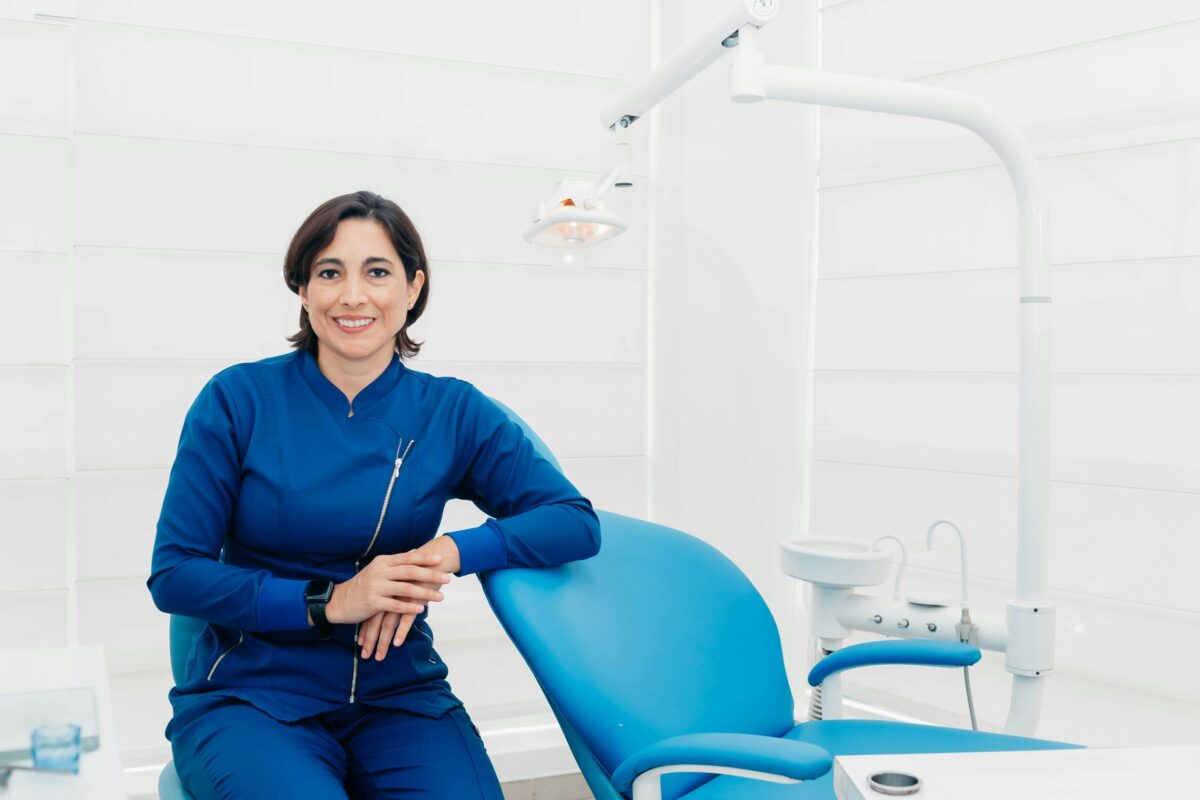
Dentistry internship

Everything You Need to Know Before Starting Your Dental Internship

Starting your dental internship is one of the most exciting milestones in your journey to becoming a dental professional. It marks the transition from classroom-based learning to real-world practice, where you get to apply your knowledge, develop hands-on skills, and gain exposure to clinical settings.

But before you walk into the clinic for the first time, there are important things you should know and prepare for. This guide will walk you through everything you need to get ready and make the most out of your internship experience.

Understand the Internship Objectives

Every dental internship program has specific learning objectives designed to help you grow as a clinician. These may include gaining experience in patient examination, performing basic procedures under supervision, and learning proper infection control and record-keeping practices.

Take time to read through the program outline before you begin. Knowing what is expected of you will help you set personal goals, track your progress, and focus on building the skills that matter most for your future career.

Get Your Documentation in Order

Before starting your internship, make sure you have all the required documentation ready. Most programs require:

  • Letter of Elective/Recommendation: A formal letter from your university confirming your eligibility.

  • Proof of Enrollment or Academic Transcripts: To verify your student status or level of study.

  • Health and Immunization Records: Many clinics require up-to-date vaccinations, such as Hepatitis B, and proof of TB screening to ensure patient safety.

  • Identification Documents: Copies of your student ID, passport (if abroad), and emergency contact information.

Submitting these documents early avoids delays and ensures a smooth onboarding process.

Familiarize Yourself with Infection Control Protocols

Infection prevention is one of the most critical aspects of dentistry. Before your internship begins, review proper hand hygiene, instrument sterilization techniques, and the use of personal protective equipment (PPE).

Most programs will provide an orientation on safety protocols, but having a good understanding beforehand will help you feel confident and professional from day one.

Prepare Mentally for Patient Interaction

During your internship, you’ll move from practicing on models and simulators to interacting with real patients. This can be intimidating at first.

Prepare yourself by brushing up on your communication skills. Learn how to greet patients warmly, explain procedures clearly, and handle anxious patients with empathy. Patient interaction is a huge part of dentistry, and internships are the perfect time to build your confidence in this area.

Know What Procedures You’ll Be Allowed to Perform

Internship programs vary depending on your level of training. In most cases, you’ll start with observation and gradually move on to assisting and performing basic procedures such as scaling, polishing, simple restorations, and extractions of erupted teeth under supervision.

Ask your supervisor what procedures you’re expected to learn and what level of independence you’ll have. This clarity helps you take full advantage of your training period.

Be Ready to Learn Beyond the Clinic

Your internship isn’t limited to chairside practice. Many programs include:

  • Community Outreach Activities: School dental visits, oral health education, and awareness campaigns.

  • Team Meetings and Case Discussions: Where you’ll learn treatment planning and patient management.

  • Workshops and Seminars: Covering topics like preventive dentistry, infection control, and new dental technologies.

Participating actively in these activities expands your knowledge and gives you a broader understanding of the dental profession.

Take Care of Yourself

Internships can be demanding — physically and mentally. You’ll spend long hours on your feet, interact with many patients, and juggle responsibilities.

Make sure you get enough rest, stay hydrated, and wear comfortable, well-fitting shoes. Maintaining your own health allows you to perform at your best and prevents burnout.

Keep a Logbook or Journal

Documenting your daily experiences is one of the most effective ways to track your learning. Note down the procedures you performed, the new techniques you learned, and the challenges you faced.

This record will be helpful for academic reporting, future job applications, and personal reflection on how far you’ve come.

Your dental internship is a stepping stone toward becoming a skilled and confident dentist. By preparing your documents, understanding safety protocols, improving communication skills, and actively participating in clinical and community activities, you’ll set yourself up for a successful experience.

Remember, this is your opportunity to learn, ask questions, and make mistakes in a supportive environment. Approach every day with curiosity and professionalism, and your internship will be one of the most rewarding stages of your dental education.

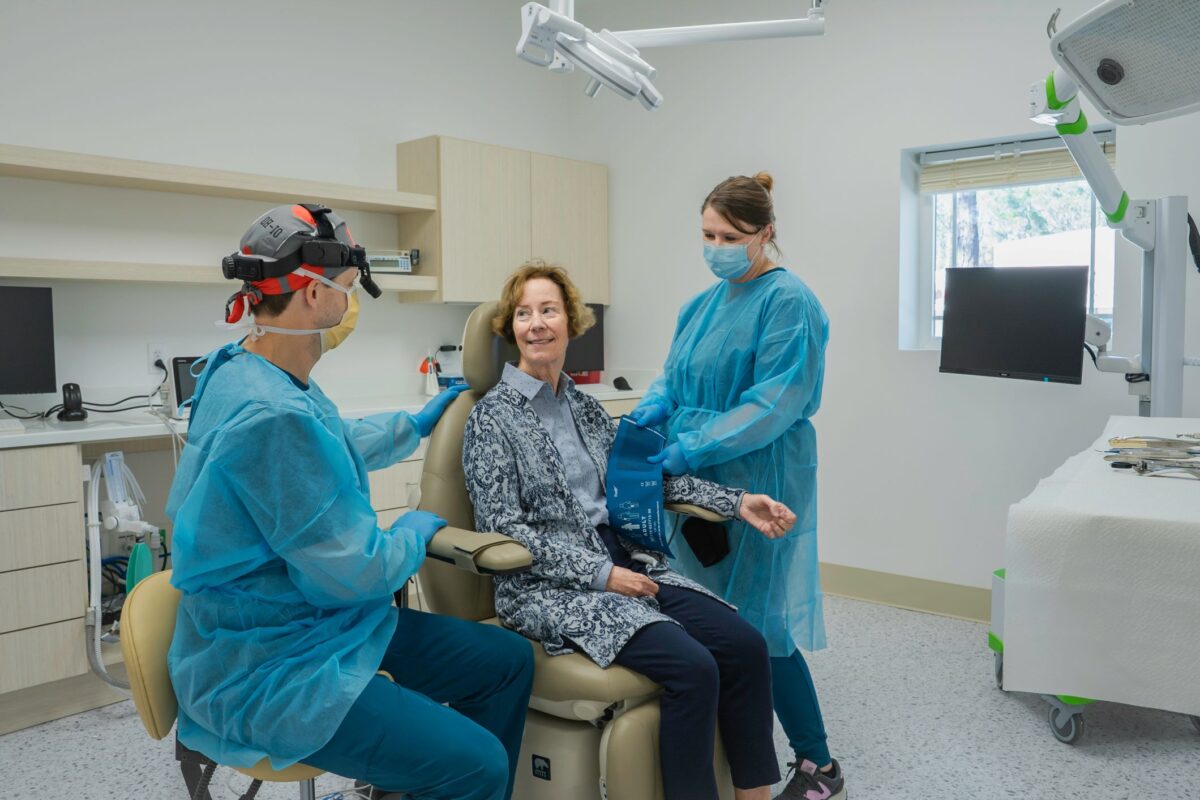
dentistry adventures

Combining Dentistry with Adventure: Why Electives Abroad Are Worth It

Dental electives abroad are not just an academic requirement — they are an opportunity to step out of your comfort zone, explore new cultures, and gain experiences that will stay with you for a lifetime. For dental students, interns, and postgraduates, an elective program abroad provides a perfect balance between professional growth and personal adventure.

If you’ve been considering taking your elective outside your home country, here’s why it is an experience worth saying yes to.

1. Clinical Exposure in a Global Setting

One of the most valuable aspects of an elective abroad is the chance to work in a completely different healthcare system. You’ll gain clinical exposure in hospitals, community clinics, and outreach camps, often in areas where resources are limited.

This hands-on experience teaches you to be resourceful and to adapt to different treatment approaches. You’ll encounter cases you may not frequently see at home — from advanced untreated caries to severe periodontal disease — and learn how to manage them under the guidance of experienced local dentists.

This international exposure strengthens your clinical skills and prepares you to work confidently with diverse patient populations.

2. Cultural Exchange and Personal Growth

Traveling for an elective means immersing yourself in a new culture. You’ll meet people with different customs, languages, and ways of life. This cultural exchange broadens your worldview and improves your ability to work with patients from various backgrounds.

It also teaches you adaptability and resilience — qualities every dental professional needs. From navigating public transportation to trying new foods, every experience helps you grow personally and become more independent.

3. Opportunities to Make a Real Impact

Electives abroad often focus on underserved communities where access to dental care is limited. You may participate in school dental visits, oral health awareness campaigns, or free treatment clinics.

Your contribution can have a significant impact, whether it’s teaching a child how to brush properly, providing a fluoride treatment, or relieving someone’s pain through a simple extraction. These moments are deeply rewarding and remind you why you chose dentistry in the first place — to improve lives.

4. Networking with Global Professionals

An elective abroad allows you to connect with other dental students, mentors, and professionals from around the world. These connections can lead to long-term collaborations, exchange of knowledge, and even future career opportunities.

Networking with international professionals also helps you understand global oral health trends and challenges, giving you a wider perspective on dentistry as a profession.

Combining Learning with Adventure

The best part about taking your elective abroad? You get to mix work with adventure! Outside your clinical hours, you can explore breathtaking destinations, visit local attractions, and experience the unique beauty of your host country.

Imagine spending your weekends on a safari, exploring historical towns, hiking in national parks, or simply enjoying the local culture and cuisine. These experiences turn your elective into a once-in-a-lifetime adventure — one that blends education, travel, and fun.

Boosting Your CV and Career Prospects

Employers and postgraduate programs value candidates with international experience. Completing an elective abroad shows that you are adaptable, open to learning, and capable of working in diverse environments.

It demonstrates initiative and commitment to your professional development — qualities that make you stand out from other applicants.

Combining dentistry with adventure through an elective abroad is one of the most rewarding decisions you can make as a dental student. You’ll gain valuable clinical experience, make a positive impact in communities, grow personally, and create memories that last a lifetime.

Whether it’s the thrill of discovering a new country, the joy of helping a patient smile again, or the friendships you form along the way, your elective abroad will shape you into a more skilled, compassionate, and well-rounded dental professional.

So pack your bags, grab your dental kit, and get ready for an experience that blends learning with exploration — because your next adventure might just be the highlight of your dental journey.

community outreach

Why Community Outreach Is Vital for Dental Students

Community outreach is more than just a volunteer activity — it is an essential part of dental education and training. For dental students, participating in outreach programs provides an opportunity to apply classroom knowledge, gain real-world experience, and serve those who might not otherwise have access to proper oral care. It is a transformative experience that helps students grow professionally, personally, and socially.

In this article, we’ll explore why community outreach is such a critical component of dental education and how it benefits students, patients, and the dental profession as a whole.

1. Hands-On Experience in Real-Life Settings

Dental school provides plenty of theory and simulation-based practice, but nothing compares to the real-life experience of interacting with patients. Community outreach programs allow students to work directly with patients, often in underserved areas where dental care is limited.

These experiences provide students with the opportunity to perform essential procedures, such as dental check-ups, scaling, restorations, and even simple extractions, under the supervision of experienced dentists. The hands-on nature of these programs helps students develop confidence in their clinical skills, improve dexterity, and enhance their ability to make quick, informed decisions while treating patients.

2. Improved Communication and Public Engagement Skills

One of the biggest challenges for new dental students is learning how to communicate effectively with patients of all ages and backgrounds. Community outreach provides the perfect training ground for this.

In schools, rural health centers, and community camps, students must explain oral hygiene techniques in simple, easy-to-understand language. They also engage in public speaking when teaching groups about proper brushing, the importance of fluoride, and the dangers of sugary diets.

These opportunities strengthen communication skills, boost confidence, and prepare students to handle diverse patient populations in their future careers.

3. Promoting Preventive Dentistry

Prevention is better than cure, and community outreach is the frontline for spreading this message. Dental students play a crucial role in educating communities about how to prevent cavities, gum disease, and other oral health problems.

By conducting awareness campaigns, school dental health talks, and one-on-one counseling sessions, students help reduce the prevalence of dental issues. This not only benefits the community but also reinforces students’ own understanding of preventive dentistry and its importance in long-term oral health care.

4. Exposure to Diverse Oral Health Challenges

Every community has unique oral health needs. Some areas may struggle with early childhood caries, while others face challenges related to poor access to clean water or fluoride. Through outreach, students encounter a wide range of cases and conditions that may not be commonly seen in urban dental schools.

This exposure allows students to broaden their diagnostic and treatment planning skills. They learn to adapt to limited resources and find creative, practical solutions — an important skill for any future dentist.

5. Building Empathy and Professional Responsibility

Serving underserved populations teaches students compassion and empathy. They begin to see dentistry not just as a profession but as a service that can transform lives.

When students treat children with untreated cavities or help a patient who has been in pain for months, they gain a deeper understanding of the social impact of oral health care. This experience instills a sense of responsibility to give back to society and motivates many students to continue volunteer work even after graduation.

6. Career and Personal Growth Opportunities

Community outreach experiences often inspire dental students to specialize in fields such as public health dentistry, pediatric dentistry, or oral health advocacy. The skills gained — from leadership to teamwork — are highly valuable for career advancement.

Many internship and residency programs also look favorably on applicants who have participated in outreach activities, as it shows initiative, social responsibility, and practical exposure beyond the classroom.

Community outreach is not just an optional activity; it is a vital component of dental education. It gives students the chance to gain hands-on experience, build communication skills, promote preventive dentistry, and serve the community in meaningful ways.

For dental students, these programs are a reminder that dentistry is not only about treating teeth but also about improving overall health and quality of life. By participating in outreach, students grow into compassionate, skilled, and socially responsible professionals ready to make a difference in the world.