
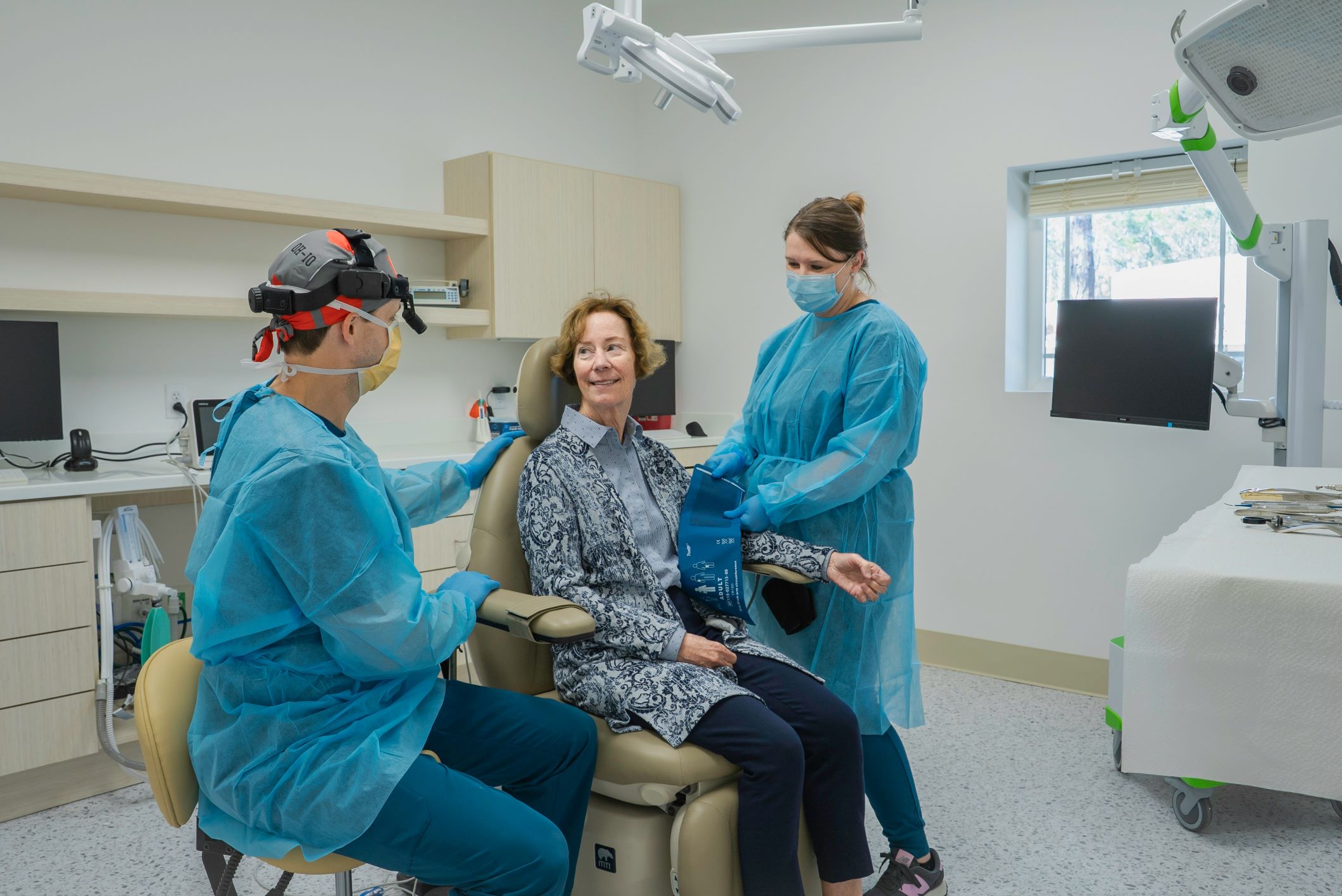
Community outreach is more than just a volunteer activity — it is an essential part of dental education and training. For dental students, participating in outreach programs provides an opportunity to apply classroom knowledge, gain real-world experience, and serve those who might not otherwise have access to proper oral care. It is a transformative experience that helps students grow professionally, personally, and socially.
In this article, we’ll explore why community outreach is such a critical component of dental education and how it benefits students, patients, and the dental profession as a whole.
1. Hands-On Experience in Real-Life Settings
Dental school provides plenty of theory and simulation-based practice, but nothing compares to the real-life experience of interacting with patients. Community outreach programs allow students to work directly with patients, often in underserved areas where dental care is limited.
These experiences provide students with the opportunity to perform essential procedures, such as dental check-ups, scaling, restorations, and even simple extractions, under the supervision of experienced dentists. The hands-on nature of these programs helps students develop confidence in their clinical skills, improve dexterity, and enhance their ability to make quick, informed decisions while treating patients.
2. Improved Communication and Public Engagement Skills
One of the biggest challenges for new dental students is learning how to communicate effectively with patients of all ages and backgrounds. Community outreach provides the perfect training ground for this.
In schools, rural health centers, and community camps, students must explain oral hygiene techniques in simple, easy-to-understand language. They also engage in public speaking when teaching groups about proper brushing, the importance of fluoride, and the dangers of sugary diets.
These opportunities strengthen communication skills, boost confidence, and prepare students to handle diverse patient populations in their future careers.
3. Promoting Preventive Dentistry
Prevention is better than cure, and community outreach is the frontline for spreading this message. Dental students play a crucial role in educating communities about how to prevent cavities, gum disease, and other oral health problems.
By conducting awareness campaigns, school dental health talks, and one-on-one counseling sessions, students help reduce the prevalence of dental issues. This not only benefits the community but also reinforces students’ own understanding of preventive dentistry and its importance in long-term oral health care.
4. Exposure to Diverse Oral Health Challenges
Every community has unique oral health needs. Some areas may struggle with early childhood caries, while others face challenges related to poor access to clean water or fluoride. Through outreach, students encounter a wide range of cases and conditions that may not be commonly seen in urban dental schools.
This exposure allows students to broaden their diagnostic and treatment planning skills. They learn to adapt to limited resources and find creative, practical solutions — an important skill for any future dentist.
5. Building Empathy and Professional Responsibility
Serving underserved populations teaches students compassion and empathy. They begin to see dentistry not just as a profession but as a service that can transform lives.
When students treat children with untreated cavities or help a patient who has been in pain for months, they gain a deeper understanding of the social impact of oral health care. This experience instills a sense of responsibility to give back to society and motivates many students to continue volunteer work even after graduation.
6. Career and Personal Growth Opportunities
Community outreach experiences often inspire dental students to specialize in fields such as public health dentistry, pediatric dentistry, or oral health advocacy. The skills gained — from leadership to teamwork — are highly valuable for career advancement.
Many internship and residency programs also look favorably on applicants who have participated in outreach activities, as it shows initiative, social responsibility, and practical exposure beyond the classroom.
Community outreach is not just an optional activity; it is a vital component of dental education. It gives students the chance to gain hands-on experience, build communication skills, promote preventive dentistry, and serve the community in meaningful ways.
For dental students, these programs are a reminder that dentistry is not only about treating teeth but also about improving overall health and quality of life. By participating in outreach, students grow into compassionate, skilled, and socially responsible professionals ready to make a difference in the world.